
PRETORIA – South Africa’s Department of Home Affairs has instructed all Refugee Reception Offices to receive every person who reports in person to apply for asylum, following a Constitutional Court ruling that struck down key restrictions in the Refugees Act.
In a directive dated September 28, 2026, and signed by Acting Director-General B T Mavuso, the department said the order takes effect immediately.
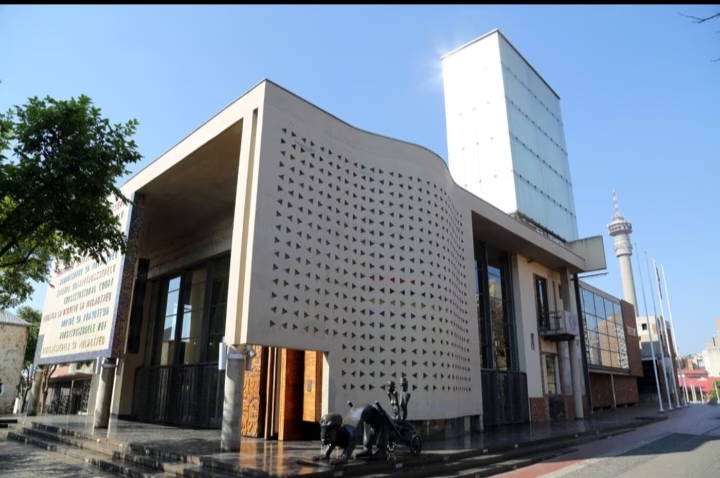
The instruction follows the Constitutional Court’s July 7, 2026 judgment in Scalabrini Centre of Cape Town and Another v Minister of Home Affairs and Others [2026] ZACC 30. The court declared invalid several provisions of the Refugees Act, including section 21(1B), along with parts of the 2019 Refugee Regulations. The declarations took effect on the date of judgment.
Offices must now help applicants lodge claims and issue asylum seeker visas, even where a person entered unlawfully or away from a port of entry, holds no visa or did not report within five days of arrival. Officials may no longer conduct the “good cause” interview introduced under a May 2026 procedure, demand an asylum transit visa, refuse applications over unlawful entry, delay or missing documents, or insist on prior referral to the Inspectorate. Quotas or policies that block access are also barred.
 8
Any blanket suspension on new applications “must cease immediately.” People previously turned away, or whose biometrics were captured without being allowed to apply, must now be assisted. Where an office cannot serve everyone in a day, it must issue a written, dated appointment and no one may be sent away without one.
The department stressed that the instruction covers only the receipt of new applications, not detention or deportation. Heads of office must confirm implementation in writing within five working days to Chief Director Mandia Madumisa.
Zimbabweans, long among the largest nationalities in South Africa’s asylum system, stand to benefit most from the end of turn aways and the requirement for border-entry declarations or transit visas. Those who crossed informally can now lodge claims without explaining why. However, the directive only guarantees access to apply. It does not grant refugee status, which still depends on proving a well-founded fear of persecution, and it is not a general route to work or residence documents.
