
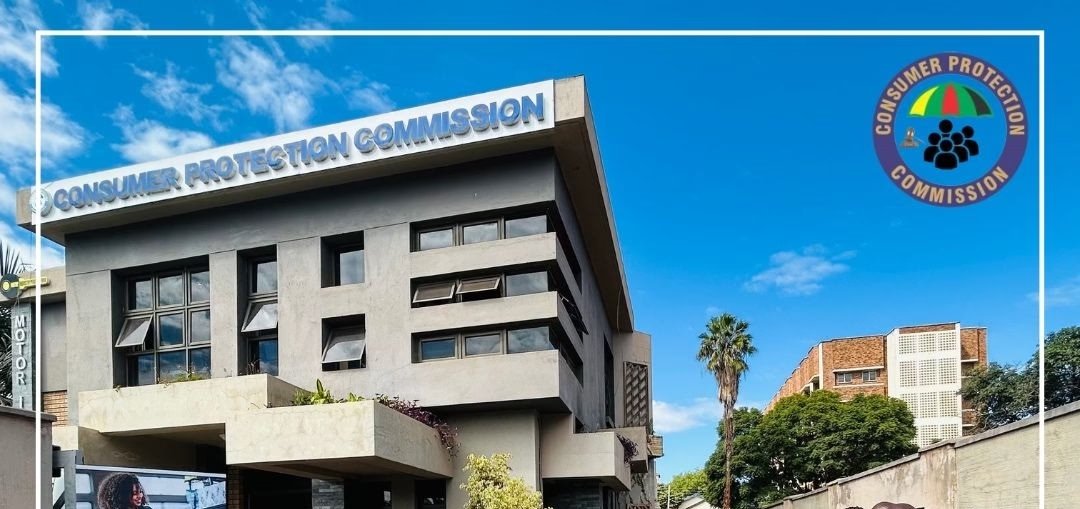
More than 2 000 businesses were taken to court last year for breaching consumer laws, as authorities intensified inspections amid growing complaints from the public. However, beyond major offences such as counterfeit goods, many traders say it is smaller, everyday compliance issues that are increasingly putting pressure on operations—especially for small and informal businesses.
According to the Consumer Protection Commission (CPC), a total of 12 627 inspections were carried out countrywide by the end of 2025, leading to the prosecution of 2 271 businesses for violating the Consumer Protection Act (Chapter 14:44).
Government has stepped up enforcement as it moves to clamp down on unfair trade practices, with violations ranging from selling expired products and underweight goods to failure to display prices. The expansion of the informal sector has also contributed to a surge in consumer complaints, particularly on social media platforms.
CPC research and public affairs director Mr Kudakwashe Mudereri said while some cases involved serious consumer exploitation, many prosecutions stemmed from what he described as “petty but persistent” breaches of the law.
“The most common offences include selling expired products, using disclaimer clauses such as ‘No Returns’ or ‘No Refunds’, failing to display prices, and selling substandard or counterfeit goods,” Mr Mudereri said.
He noted that some traders, particularly in the informal sector, often fall foul of the law due to limited awareness of regulatory requirements, outdated stock management systems, or cash-flow challenges that make compliance difficult.
The commission has also been active within the national anti-smuggling and business malpractices task force, deploying officers across all 10 provinces to monitor compliance.
Mr Mudereri said several cases were already before the courts, including those involving businesses that refused to issue refunds—now a prosecutable offence under Sections 18, 34 and 42 of the Act—as well as cases of expired goods seized in Masvingo.
Looking ahead, he said the CPC plans to balance enforcement with education to reduce repeat offences, particularly among small and emerging enterprises.
“This year, we are strengthening measures to curb consumer fraud while improving business accountability. A key focus will be increased consumer and trader education,” he said.
The commission has expanded its awareness programmes to reach both urban and rural communities, targeting youths, the elderly, marginalised groups and people living with disabilities. The outreach also aims to help businesses better understand their obligations and avoid penalties arising from minor but costly mistakes.
Mr Mudereri said the CPC would continue working with businesses, consumer organisations and other regulators under a whole-of-Government approach to promote fairness in the marketplace.
“Our mandate remains protecting consumers from unfair, deceptive or fraudulent practices, while encouraging a business environment that is transparent, compliant and sustainable,” he said.

For comments, Feedback and Opinions do get in touch with our editor on WhatsApp: +44 7949 297606.
