
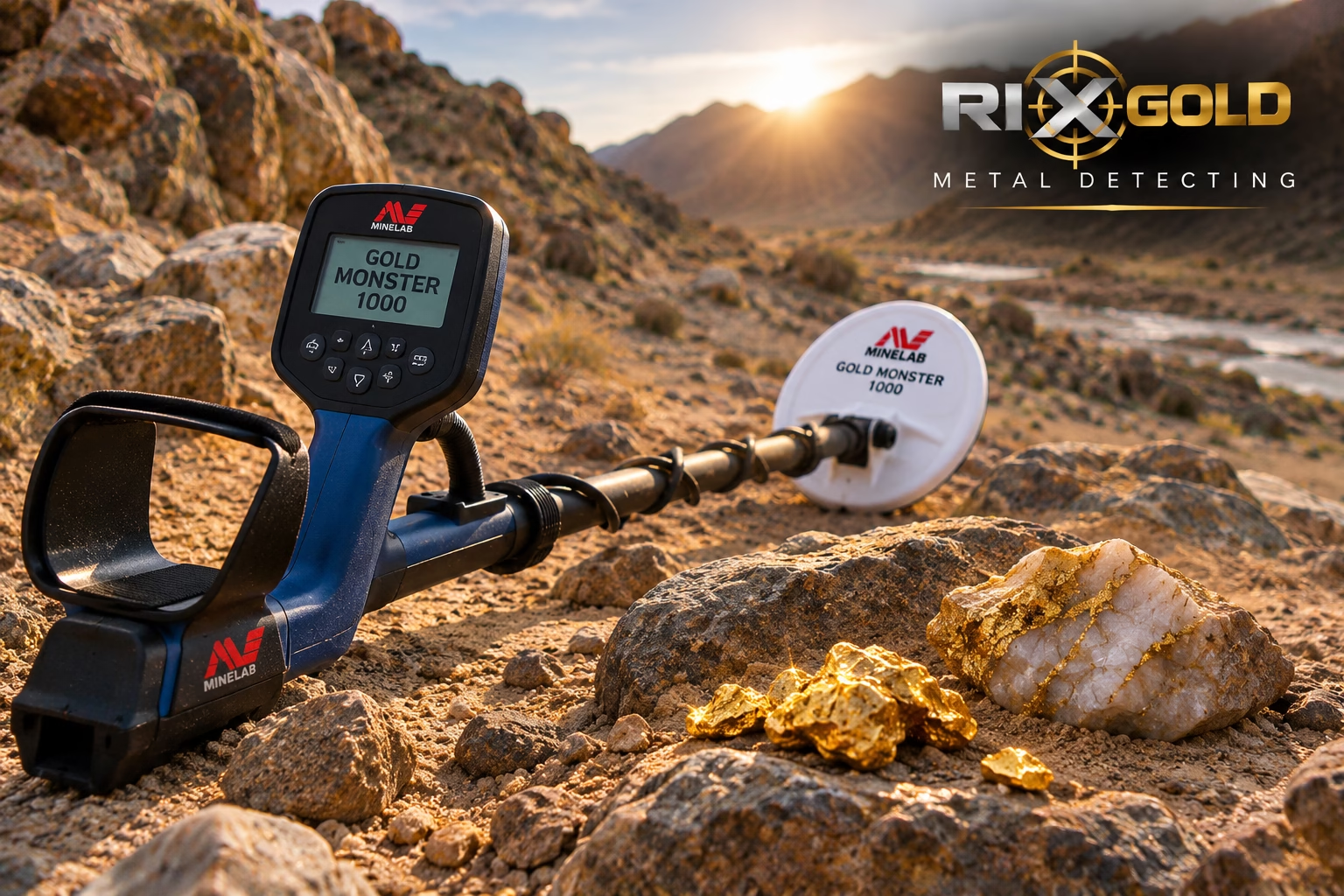
Gold prospecting is a popular activity across Africa, particularly in gold-rich countries such as Ghana, Mali, Sudan, Zimbabwe and Tanzania. However, successful prospecting requires understanding local regulations, geological formations and proper search techniques.
With modern detectors such as the Gold Monster 1000 or Gold Monster 2000, searching for natural gold becomes more accessible. Nevertheless, choosing the right location and understanding the surrounding geology remain essential.
Legal Rules Before Using the Gold Monster
Before prospecting on any land, you must understand who owns it and which regulations apply. African countries have different mining laws, and some areas require prospecting permits even for small-scale exploration.
For example, Ghana, Mali and Tanzania regulate mineral exploration through their respective mining authorities. Always verify local requirements before using your Gold Monster 1000 or Gold monster 2000
If you plan to collect soil or rock samples, ensure your permit allows sampling. Laboratory analysis can help determine whether an area contains meaningful gold concentrations.
These results, combined with detector findings, may help you decide whether further exploration is worthwhile.
How Is Gold Found Naturally in African Soil?
Gold commonly occurs in mineralized rock formations, including quartz veins. Over long periods, weathering and erosion can release gold particles from these rocks.
Water streams may transport these particles into riverbeds, valleys and surrounding soil. Because gold is dense, it can accumulate in cracks, gravel deposits and other natural traps.
When prospecting in Africa, consider investigating:
- Quartz-bearing rock formations.
- Dry riverbeds and seasonal streams.
- Exposed bedrock and rocky valleys.
- Areas near historically productive goldfields.
Finding natural gold with the Gold Monster 1000 or the new Gold Monster 2000 may indicate promising geological conditions. However, a few detected nuggets do not necessarily mean that a large gold deposit exists underground.
A Practical Gold Search Method Using Gold Monster
The Gold Monster is a gold detector, not industrial mining equipment. Therefore, your objective should be to search suitable ground carefully and systematically.
Start by dividing your selected area into smaller sections. Each section can then be searched through parallel lines, helping you avoid missing potentially productive ground.
Move slowly and keep the search coil close to the surface. Each sweep should slightly overlap the previous one to provide consistent coverage.
After completing your first search, consider repeating the process from another direction.
This technique is particularly useful in African prospecting environments where rocky surfaces, mineralized soil and uneven terrain can complicate detection.
Remember that a detector can only respond to targets within its effective detection range, which varies according to target size, depth and ground conditions.
Verifying Gold Monster Signals Before Digging
When your Gold Monster 1000 or the new Gold Monster 2000 produces a promising signal, avoid assuming that you have immediately discovered gold.
Metal detectors can respond to other metallic objects, including iron, copper and lead.
First, sweep over the suspected target from several directions. A repeatable response can help you identify its approximate location.
If digging is legally permitted, carefully remove a small amount of surface soil and scan the area again.
Check the removed material as well, since small gold particles or metallic objects may have moved with the soil.
Continue investigating until you identify the target.
A strong signal does not necessarily indicate a large nugget or gold vein. The recovered material must be examined before drawing conclusions.
Recording Discoveries and Revisiting Locations
Once you discover a promising location, record its coordinates and geological characteristics.
Mark areas where genuine gold targets were recovered, including nearby quartz formations, streambeds and exposed rock structures.
Repeated visits can help you understand how gold is distributed across the area.
If several natural gold nuggets are discovered in one location, further geological investigation may be worthwhile.
However, commercial mining decisions should rely on proper sampling and geological evaluation rather than metal detector signals alone.
Final Thoughts on Gold Prospecting in Africa
Gold prospecting requires patience, geological understanding and consistent search techniques.
Whether you are exploring permitted areas in Ghana, Mali, Sudan, Zimbabwe or Tanzania, you can get the Gold Monster 1000 or the new Gold Monster 2000 from RixGold a certified metal detector seller serving customers across Africa, These machines can be a useful tool for locating detectable natural gold targets.
Always respect local regulations, verify your discoveries and maintain accurate field records.
With careful preparation and experience, you can improve your prospecting methods and identify more promising areas for future exploration.
